



Ever felt the irresistible urge to peek at your partner’s phone? In our hyper-connected world, that innocent scroll can become a trust-shattering disaster.
But before you give in to suspicion, consider this: a healthy relationship thrives on open communication and respect for boundaries.
We will explore why snooping might be the worst move and how to navigate concerns without resorting to digital detective work.
Key Takeaway
- Going through his phone without consent can severely damage trust, a vital foundation for any relationship.
- It can lead to feelings of jealousy, possessiveness, and insecurity, creating unnecessary tension.
- Violating privacy can undermine respect, cause discomfort, and risk the relationship.
- Open communication is essential to address concerns directly and prevent feelings of mistrust.
- Respect personal boundaries and treat others as you would want to be treated.
Quick Answer & Verdict
Snooping on your partner’s phone without consent can damage trust and create tension, while respecting privacy and maintaining open communication are essential for a healthy relationship.
The only thing worse than a broken heart is a broken trust.
Mina Murray
When suspicious thoughts start to creep in, the urge to check your partner’s phone may feel overwhelming.
Nevertheless, giving in to that temptation can lead to negative consequences and breed further distrust.
A healthy relationship thrives on trust, and leaving a phone out in the open signifies this trust and respect.
Conversely, secretly searching through a partner’s phone breaks that trust and displays a lack of faith in their commitment.
This action can set the relationship back, create tension, and even damage it beyond repair.
Treating others respectfully and honestly is vital, especially concerning personal boundaries and private information.
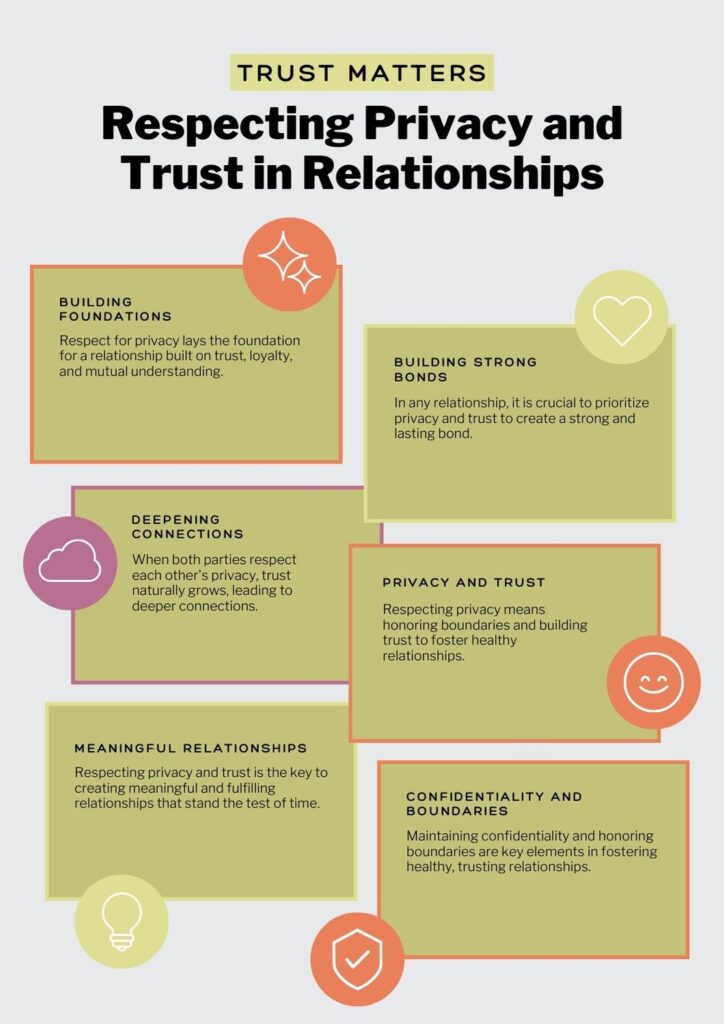
4 Reasons Why You Should Not Look Through Your Partner’s Phone
Exploring your partner’s phone without consent can lead to several negative outcomes.
Initially, it can severely damage trust, a vital foundation for any relationship.
Next, it might nurture feelings of jealousy and possessiveness, which can create unnecessary tension.
It Damages Trust
Delving into your partner’s phone without consent undermines the foundation of trust in a relationship, often leading to irreparable damage.
When you secretly search through their private messages, you’re not merely invading their privacy but likewise exhibiting mistrust and insecurity. This betrayal can create tension, hurt feelings, and lead to further conflicts.
To illustrate the potential negative outcomes of this action, consider the following table:
| Action | Emotional Consequence | Potential Outcome |
|---|---|---|
| Secretly searching the phone | Feelings of betrayal | Loss of trust |
| Reading private messages | Hurt and discomfort | Relationship strain |
| Finding unexpected content | Increased insecurity | More mistrust |
| Getting caught | Embarrassment | Potential break-up |
It Can Lead to Jealousy and Possessiveness
Uncovering private information in your partner’s phone can ignite feelings of jealousy and possessiveness, further damaging the relationship.


Sneaking a peek into their personal messages can make you feel insecure, leading to distrust and fueling unwarranted suspicions.
This newfound possessiveness can cause unnecessary tension, as you become increasingly controlling and overprotective.
To maintain a healthy bond, it’s essential to recognize these feelings and resist the urge to invade their privacy.
Instead, focus on building open communication and addressing your concerns directly.
You Might Find Something You Don’t Want To See
Uncovering unsettling information in your partner’s phone can lead to emotional turmoil and irreversible damage to the relationship.
Asking yourself, ‘Should I go through his phone?’ may stem from suspicion or insecurity. Nonetheless, checking your partner’s phone can bolster those feelings and create new issues, especially if you uncover unexpected information.
Trust is vital in a relationship, and snooping reveals a lack of it. While you might think that you’re just looking for answers, this action can have significant consequences.
You could harm the bond you share and destroy the trust that you and your partner have built. Instead of resorting to checking your partner’s phone, address your worries in an open conversation.
Sincerity nurtures trust, which in the end reinforces your relationship.
It Shows a Lack of Respect
Exploring a partner’s phone without consent signals a disregard for their personal boundaries and privacy, which fundamentally undermines the respect crucial in a healthy relationship.
It’s imperative to uphold trust and respect your partner’s personal space, including their phone. Checking their device without permission violates this trust, potentially causing irreparable damage.
Consider the following consequences of violating your partner’s privacy:
| Consequence | Effect |
|---|---|
| Breaking Trust | Undermines the foundation of the relationship |
| Causing Discomfort | Creates tension and unease |
| Damaging Respect | Degrades the value placed on each other |
| Inviting Insecurity | Generates self-doubt and mistrust |
| Risking Relationship | Puts the connection at risk of ending |
Maintaining respect and trust forms the cornerstone of a successful relationship. Rather than secretly checking your partner’s phone, address any concerns openly and honestly to strengthen the bond.
Final Thoughts
Reflecting on the potential repercussions and ethical implications of searching through a partner’s phone underscores the importance of trust, respect, and open communication in any relationship.
Checking a partner’s phone without consent signifies distrust, leading to relationship issues and substantially ending the partnership.
If feelings of insecurity and distrust persist, addressing them directly with your partner is vital instead of resorting to secretive measures.
Remember that treating others as you would want to be treated cultivates respect and honesty in a relationship.
To recap, refrain from searching through a partner’s phone, as the consequences can be severe and may damage the relationship beyond repair.
Instead, focus on nurturing trust, addressing concerns openly, and cultivating a healthy connection based on mutual respect.
Love is patient, love is kind.
1 Corinthians 13:4-7
It does not envy, it does not boast, it is not proud.
It does not dishonor disrespect others, it does not seek its own, it is not easily angered, it keeps no record of wrongs.
Love does not delight in evil but rejoices with the truth.
It always protects, always trusts, always hopes, always perseveres.
Frequently Asked Questions
How Can I Address My Insecurity Without Invading Privacy?
Addressing insecurity involves open communication and self-reflection. Express your concerns to your partner without violating their privacy. Seek reassurance, practice trust, and consider therapy or self-help resources to manage insecurity healthily.
What Are Healthy Ways to Discuss Suspicions in a Relationship?
Healthily addressing suspicions involves open, honest communication. Share your feelings with your partner, using ‘I’ statements to express your concerns without blaming. Encourage a dialogue to cultivate understanding and trust, vital for a strong relationship.
How to Build Trust When One Partner Feels the Need to Snoop?
Building trust when feeling the need to snoop requires open communication. Express your concerns gently, and encourage honesty. Seek understanding and practice patience, cultivating a secure and loving environment to strengthen your bond.
How to Recover From a Partner Discovering I Searched Their Phone?
Recovering from a partner uncovering you searched their phone involves sincere regrets, open communication, and rebuilding trust. Acknowledge your actions, express remorse, and commit to respecting their privacy to nurture a healthier relationship. Seek professional assistance if needed.
Are There Any Circumstances Where Searching a Partner’s Phone Is Acceptable?
In general, respecting privacy is vital in maintaining trust within a relationship. Nevertheless, if both partners mutually agree on transparency or there are serious safety concerns, searching a partner’s phone may be considered. Yet, open communication remains the preferred approach.
How can I address my insecurity without invading privacy?
To manage your insecurity, consider speaking to a therapist specializing in relationship issues. It’s important to address your feelings without intruding on your partner’s privacy, such as by avoiding reading their text messages or accessing their password-protected accounts. Trust is essential in relationships and not invading privacy helps it grow.
Are there circumstances where searching a partner’s phone is acceptable?
Searching a partner’s phone might be seen as acceptable in very rare cases, but ideally, there must be significant trust issues or a history of behaviors that give you a substantial reason to be concerned. For instance, if a partner’s behavior around a coworker seems suspicious and they have given you any reason to believe something is amiss, you should ideally communicate directly about your feelings rather than looking for something on their phone.
How to recover from a partner discovering I searched their phone?
If your partner finds out you’ve looked through their phone, apologize sincerely and explain the insecurity that drove you to it. It’s crucial to acknowledge the impact of your actions. To rebuild trust, suggest couples counseling with a therapist specializing in mending such breaches. Showing transparency in your actions and intentions will be key, and honestly addressing the core issues will help prevent trust issues from continuing to fester.

